
Our skin is our largest and most visible organ one that protects us, regulates temperature, and plays a major role in how we present ourselves to the world. Yet despite its importance, skin health is often overlooked until something goes wrong. Modern dermatology brings together medical science, cosmetic innovation, and preventive care to help people maintain healthy, resilient skin at every age. Here’s a clear, approachable guide to what dermatology offers today.
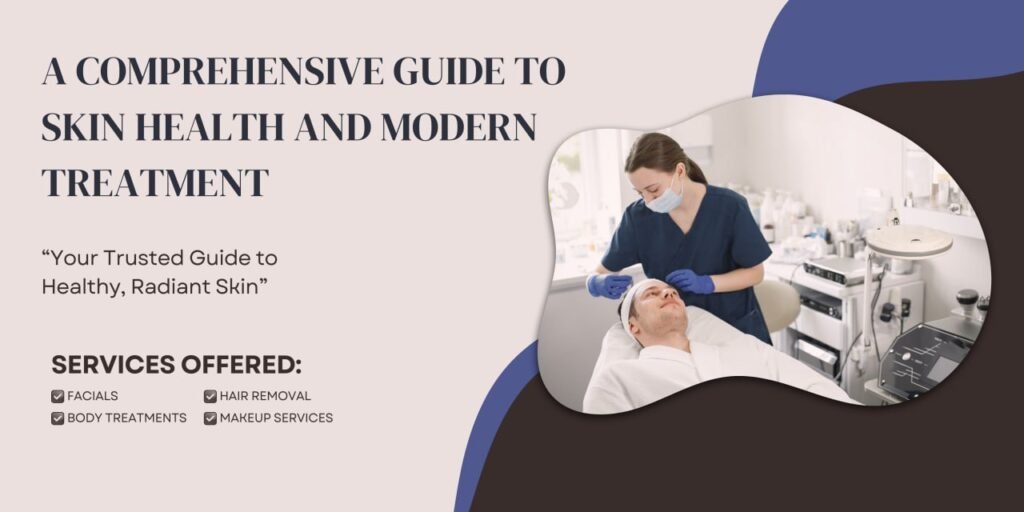
Understanding the Basics of Skin Health
Healthy skin does more than look good—it performs vital functions:
- Protection: Acts as a barrier against pathogens, chemicals, and UV radiation.
- Regulation: Helps control heat and fluid balance.
- Sensation: Allows us to feel touch, temperature, and pain.
Because skin interacts so closely with the environment, it’s vulnerable to a wide range of issues—from acne to eczema, infections, and skin cancer. Dermatologists specialize in diagnosing and treating these conditions early, before they worsen or become chronic.
Common Dermatological Conditions
1. Acne
One of the most widespread skin concerns, acne affects teens and adults alike. It stems from clogged pores, bacteria, hormones, or inflammation. Treatment may include topical retinoids, benzoyl peroxide, antibiotics, or advanced therapies like chemical peels and light-based treatments.
2. Eczema and Dermatitis
Eczema causes itchy, inflamed patches of skin that can significantly affect quality of life. While there is no single cure, dermatologists help patients manage flare-ups through moisturizers, barrier repair, anti-inflammatory medications, and lifestyle adjustments.
3. Psoriasis
This chronic autoimmune condition leads to rapid skin-cell buildup, resulting in thick, scaly patches. Modern treatments—from topical steroids to phototherapy and biologic medications—have dramatically improved symptom control for many individuals.
4. Skin Infections
Fungal infections, warts (caused by HPV), and bacterial conditions like cellulitis require accurate diagnosis and targeted treatments. Dermatologists distinguish between conditions that look similar but need very different therapies.
5. Skin Cancer
Basal cell carcinoma, squamous cell carcinoma, and melanoma are among the most common cancers worldwide. Early detection is key—dermatologists recommend routine skin checks to monitor new or changing moles. Treatment options range from simple excisions to Mohs micrographic surgery, a highly precise, tissue-sparing technique.
Modern Dermatology: What’s New?
Advances in research and technology have transformed how dermatologists approach both medical and cosmetic concerns. Here are some leading trends:
1. Personalized Treatment Plans
Genetic insights, digital imaging, and improved diagnostic tools allow dermatologists to tailor treatments to each patient’s skin type, environment, and health profile.
2. Minimally Invasive Cosmetic Procedures
Cosmetic dermatology has expanded far beyond facelifts. Patients now have access to:
- Botox and neuromodulators for dynamic wrinkles
- Dermal fillers for volume loss and contouring
- Chemical peels for smoother, brighter skin
- Microneedling to stimulate collagen
- Laser and light therapies for pigmentation, scarring, and vascular issues
These procedures typically involve little downtime and natural-looking results when performed by trained professionals.
3. Laser and Energy-Based Technologies
Laser dermatology is one of the fastest-growing specialties. Devices today can address:
- Acne scarring
- Dark spots and sun damage
- Unwanted hair
- Rosacea and visible veins
- Skin tightening for aging skin
They work by targeting specific structures—pigment, blood vessels, or collagen—while leaving surrounding tissue intact.
4. Biologic Therapies
For conditions like psoriasis, eczema, and autoimmune disorders, biologic medications target precise pathways in the immune system. They offer powerful symptom control with fewer side effects than traditional systemic drugs.
Daily Habits That Support Healthy Skin
Dermatologists emphasize prevention as much as treatment. Here are foundational habits that make a major difference:
1. Sun Protection
UV exposure causes premature aging and increases skin-cancer risk. A broad-spectrum sunscreen (SPF 30 or higher), shade, and protective clothing are essential.
2. Gentle Cleansing
Harsh soaps can strip the skin’s natural barrier. Use mild cleansers and avoid over-exfoliation.
3. Moisturizing
Hydration maintains the barrier that keeps irritants out and water in. Choose formulas appropriate for your skin type—lighter gels for oily skin, richer creams for dry or mature skin.
4. Balanced Diet and Hydration
Antioxidant-rich foods, adequate water intake, and healthy fats support skin repair and resilience.
5. Regular Dermatology Check-Ups
Annual visits help catch issues early, especially for individuals with risk factors like fair skin, family history of skin cancer, or numerous moles.
When to See a Dermatologist
While some skin issues resolve with over-the-counter care, certain symptoms deserve professional evaluation:
- Persistent rashes or itching
- New or changing moles
- Severe acne
- Non-healing sores
- Sudden hair loss
- Skin growths or discolorations
Early intervention not only improves outcomes but also prevents long-term scarring or complications.
The Future of Dermatology
Artificial intelligence, teledermatology, and advanced imaging are making skin evaluations more accessible than ever. Researchers are exploring innovative therapies—from gene-based treatments to regenerative medicine—that could reshape how chronic skin conditions are managed.
Final Thoughts
Dermatology plays a vital role in overall health, confidence, and well-being. Whether you seek help for a persistent skin condition, want to improve your complexion, or simply aim to prevent problems before they start, modern dermatology offers safe, effective, and personalized solutions. Healthy skin isn’t just about appearance—it’s an investment in your long-term health.