
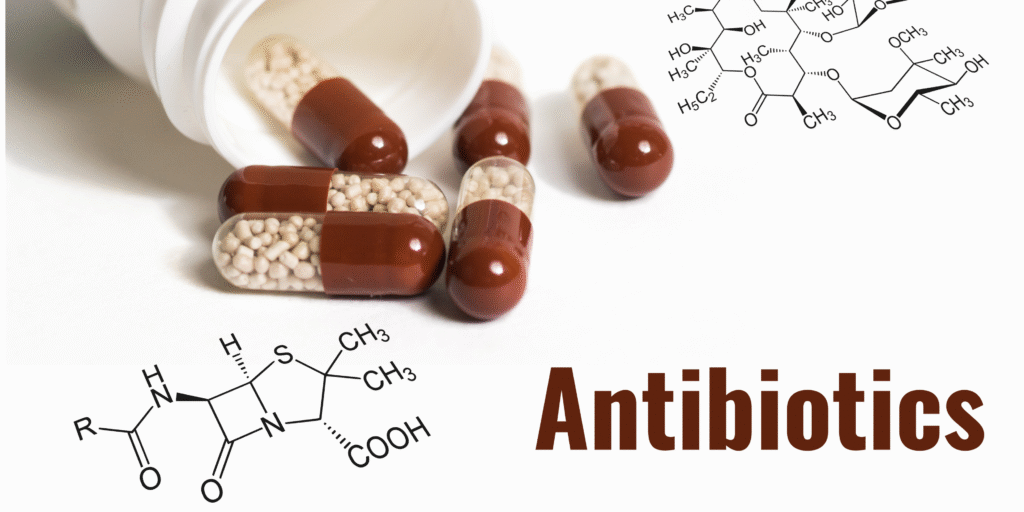
Antibiotics are powerful, life-saving medicines but only when used correctly. Over the years, the easy availability of antibiotics in many parts of the world has led to a dangerous trend: people taking them without proper medical guidance. Whether it’s using leftover pills, requesting them for viral infections like the flu, or stopping treatment early because you “feel better,” antibiotic misuse carries serious consequences.
Below, we explore why taking antibiotics without a doctor’s advice is risky and how it contributes to one of the biggest public-health threats of our time: antibiotic resistance.
1. Antibiotics Don’t Work for Everything
One of the most common misconceptions is that antibiotics can treat any type of infection. They can’t.
Antibiotics kill bacteria not viruses.
That means conditions like colds, flu, most sore throats, and many sinus infections won’t improve with antibiotics at all. When people take antibiotics for viral illnesses, they expose themselves to unnecessary risks without any benefit.
Why this is harmful:
- You may delay proper treatment, worsening your illness.
- You expose your body to drug side effects for no reason.
- You encourage bacteria in your body to develop resistance.
2. Self-Medication Can Lead to Incorrect Drug Choice
Even when an infection is bacterial, not every antibiotic works for every type of bacteria. Doctors choose the right antibiotic based on:
- What bacteria are most likely causing the infection
- Local resistance patterns
- Your age, allergies, and medical history
Taking a random antibiotic—left over from a previous illness or obtained without consultation—may do nothing to treat the infection. Worse, it may kill off helpful bacteria and allow harmful ones to thrive.
3. Incorrect Dosage Leads to Treatment Failure
People who self-medicate often take:
- Too little of the antibiotic (ineffective)
- Too much (dangerous side effects)
- Antibiotics for the wrong length of time
Taking too small a dose or stopping early allows surviving bacteria to regroup and become stronger. This is one of the fastest ways to promote antibiotic resistance.
4. Dangerous Side Effects Can Occur
Antibiotics can cause a wide range of side effects, some mild and some severe. Without medical supervision, you might not know what to look out for—or when to stop taking the drug.
Possible issues include:
- Allergic reactions
- Diarrhea and gut microbiome disruption
- Interactions with other medications
- Worsening of kidney or liver problems
Certain antibiotics are not safe for pregnant individuals, children, or people with specific chronic conditions. A doctor considers all of these factors before prescribing them.
5. Misuse Fuels Antibiotic Resistance
Perhaps the most serious consequence is antibiotic resistance—when bacteria evolve to survive the drugs designed to kill them.
How misuse contributes to resistance:
- Unnecessary use exposes bacteria to antibiotics, giving them opportunities to adapt.
- Improper dosing leaves behind “super-survivor” bacteria that learn to resist the medication.
- Resistant bacteria can spread to others, making infections harder to treat.
Antibiotic resistance has made once-simple infections harder to cure and increased the need for stronger, more toxic, and more expensive treatments. In some cases, doctors run out of effective options.
This isn’t just a personal issue it’s a global one.
6. You Risk Spreading Harder-to-Treat Infections
If you take antibiotics incorrectly and the infection doesn’t fully clear, you may remain contagious longer. Worse, if the bacteria become resistant, you could spread a harder-to-treat strain to your family, coworkers, or community.
7. You Undermine Future Medical Care
If you misuse antibiotics now, you might limit your future treatment options. Once bacteria develop resistance in your body, the same drug may no longer work for you later, even when you truly need it.
How to Protect Yourself and Others
The good news is that preventing antibiotic misuse is simple and straightforward:
✔ Only take antibiotics prescribed specifically for you
No sharing, reusing, or buying over the counter where it is not regulated.
✔ Follow the instructions exactly
Finish the full course unless your healthcare provider tells you otherwise.
✔ Don’t pressure doctors for antibiotics
If your infection is viral, antibiotics won’t help—and may harm.
✔ Never save leftover antibiotics
Properly dispose of them according to local guidelines.
✔ Talk to a healthcare professional
If you’re sick and unsure what you need, consult a qualified provider rather than guessing.
Final Thoughts
Antibiotics are invaluable tools in modern medicine, but their power comes with responsibility. Using them without medical guidance may seem harmless, but the consequences of treatment failure, dangerous side effects, and the growing threat of antibiotic resistance are very real.